

Introduction
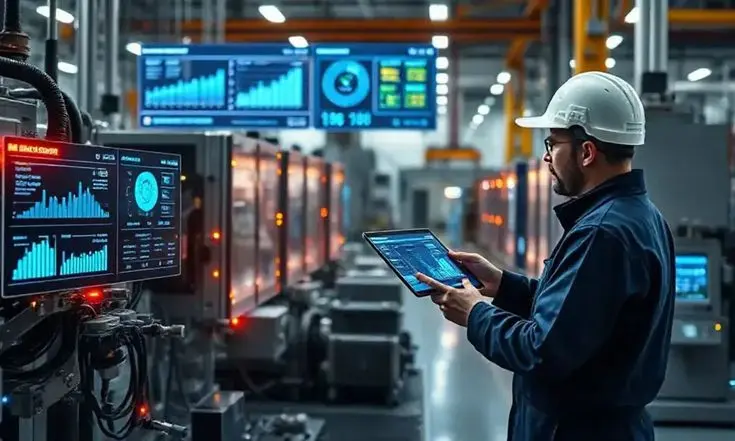
Innovations in physical AI and smart automation in industry are transforming how businesses operate, produce, and compete in today’s fast-paced world. From manufacturing floors to logistics centers, industries are increasingly relying on intelligent machines that can sense, learn, and act in real-time. This shift is not just about replacing manual labor; it is about enhancing productivity, improving accuracy, and enabling smarter decision-making.
In recent years, physical AI and smart automation in industry have gained massive attention due to advancements in robotics, machine learning, and IoT technologies. These systems can interact with the physical world, making them highly valuable for tasks that require precision, consistency, and adaptability. As a result, companies are adopting these technologies to stay competitive and meet growing customer demands.
Moreover, businesses of all sizes are exploring how physical AI and smart automation in industry can reduce costs and increase efficiency. Whether it is automating repetitive tasks or optimizing complex workflows, the possibilities are vast. For beginners and intermediate learners, understanding this topic is essential to stay relevant in the modern industrial landscape.
This article will provide a complete guide to physical AI and smart automation in industry, including its definition, importance, benefits, risks, and practical implementation steps.
What is Physical AI and Smart Automation in Industry?
Physical AI and smart automation in industry refer to the integration of artificial intelligence with physical systems such as robots, machines, and devices to perform tasks autonomously or semi-autonomously. Unlike traditional automation, which follows fixed rules, physical AI enables machines to learn from data and adapt to changing environments.
In simple terms, physical AI combines intelligence with action. For example, a robotic arm in a factory can detect objects, adjust its movements, and improve performance over time using AI algorithms. Smart automation enhances this by connecting systems through sensors and software to create a seamless workflow.
These technologies are commonly used in manufacturing, logistics, healthcare, and agriculture. They involve components such as sensors, actuators, machine learning models, and real-time data processing systems. Together, they allow industries to operate more efficiently and intelligently.
Why is Physical AI and Smart Automation in Industry Important?
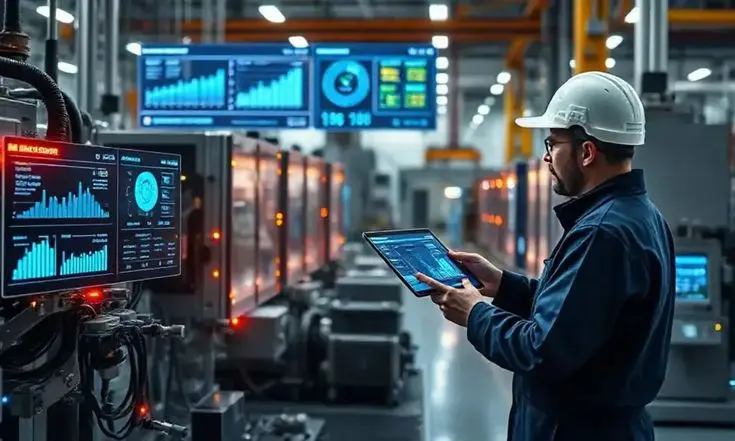
Physical AI and smart automation in industry are important because they address many challenges faced by modern businesses. One of the biggest advantages is increased efficiency. Machines powered by AI can work continuously without fatigue, ensuring consistent output.
Another reason for its importance is accuracy. Human errors can be costly, especially in industries like manufacturing and healthcare. Physical AI systems reduce these errors by performing tasks with precision.
Additionally, physical AI and smart automation in industry help businesses reduce operational costs. By automating repetitive tasks, companies can allocate human resources to more strategic roles. This not only improves productivity but also enhances employee satisfaction.
Furthermore, these technologies enable real-time decision-making. With access to data from sensors and connected systems, businesses can respond quickly to changes and optimize their operations.
Detailed Step-by-Step Guide
Step 1: Identify Business Needs
The first step in implementing physical AI and smart automation in industry is identifying the specific needs of your business. Analyze current processes and determine which tasks are repetitive, time-consuming, or prone to errors.
Step 2: Choose the Right Technology
Once you understand your needs, select the appropriate technologies. This may include robotics, machine learning tools, or IoT devices. Ensure that the chosen solutions align with your business goals.
Step 3: Data Collection and Integration
Physical AI systems rely heavily on data. Collect relevant data from machines, sensors, and existing systems. Integrate this data into a centralized platform for analysis and processing.
Step 4: Develop AI Models
Create AI models that can analyze data and make decisions. These models should be trained using historical data and tested for accuracy before deployment.
Step 5: Implement Automation Systems
Deploy the automation systems in your operations. This may involve installing robotic systems, configuring software, and connecting devices through networks.
Step 6: Monitor and Optimize
After implementation, continuously monitor system performance. Use analytics to identify areas for improvement and optimize processes accordingly.
Step 7: Train Employees
Ensure that employees are trained to work with new technologies. This helps in smooth adoption and reduces resistance to change.
Benefits of Physical AI and Smart Automation in Industry
- Increased productivity through continuous operation
- Improved accuracy and reduced human errors
- Cost savings in the long run
- Enhanced safety in hazardous environments
- Faster decision-making with real-time data
- Better resource utilization
- Scalability for growing businesses
- Competitive advantage in the market
Disadvantages / Risks
- High initial investment costs
- Complexity in implementation
- Dependence on technology and data
- Potential job displacement concerns
- Security risks related to data and systems
- Maintenance and upgrade challenges
- Need for skilled professionals
Common Mistakes to Avoid
One common mistake is implementing physical AI and smart automation in industry without a clear strategy. Businesses often invest in technology without understanding their actual needs, leading to wasted resources.
Another mistake is ignoring data quality. AI systems depend on accurate data, and poor data can lead to incorrect decisions. It is essential to ensure data integrity before deploying systems.
Many companies also underestimate the importance of employee training. Without proper training, employees may struggle to adapt, reducing the effectiveness of automation.
Additionally, failing to monitor and optimize systems can limit their potential. Continuous improvement is necessary to achieve long-term success.
FAQs
1. What is physical AI in simple terms?
Physical AI refers to machines that can interact with the real world using intelligence. These systems can sense, analyze, and act based on data.
2. How is smart automation different from traditional automation?
Smart automation uses AI and data to make decisions, while traditional automation follows fixed rules without learning or adapting.
3. Which industries use physical AI and smart automation?
Industries such as manufacturing, healthcare, logistics, agriculture, and retail widely use these technologies.
4. Is physical AI expensive to implement?
Initially, it can be costly, but it often leads to long-term savings through improved efficiency and reduced labor costs.
5. Can small businesses use smart automation?
Yes, small businesses can adopt scalable solutions based on their needs and budget.
6. What skills are required to work with physical AI?
Skills in data analysis, programming, machine learning, and system integration are valuable in this field.
Expert Tips & Bonus Points
Start small and scale gradually when adopting physical AI and smart automation in industry. This reduces risks and allows you to learn from initial implementations.
Focus on data quality and management, as it is the foundation of AI systems. Without reliable data, even the best technologies will fail.
Collaborate with experts and technology providers to ensure successful implementation. Their experience can help you avoid common pitfalls.
Always prioritize cybersecurity to protect your systems and data from potential threats.
Keep updating your systems to stay aligned with technological advancements. Innovation is continuous in this field.
Conclusion
Physical AI and smart automation in industry are reshaping the future of work and business operations. By combining intelligence with physical systems, these technologies enable industries to achieve higher efficiency, accuracy, and productivity. As competition continues to grow, businesses that adopt these innovations will have a significant advantage.
For beginners and intermediate learners, understanding physical AI and smart automation in industry is crucial. It not only opens up new career opportunities but also helps in making informed decisions in a technology-driven world. While there are challenges such as high costs and implementation complexity, the long-term benefits often outweigh these concerns.
Moreover, successful adoption requires careful planning, quality data, and continuous optimization. Businesses must also invest in employee training to ensure smooth integration of these technologies. By avoiding common mistakes and following best practices, companies can maximize the potential of physical AI.
In conclusion, physical AI and smart automation in industry are not just trends but essential components of modern industrial growth. Embracing these technologies today will prepare businesses for a smarter and more efficient future.
